
Dorian Gray arcképe
Vissza a könyvekhez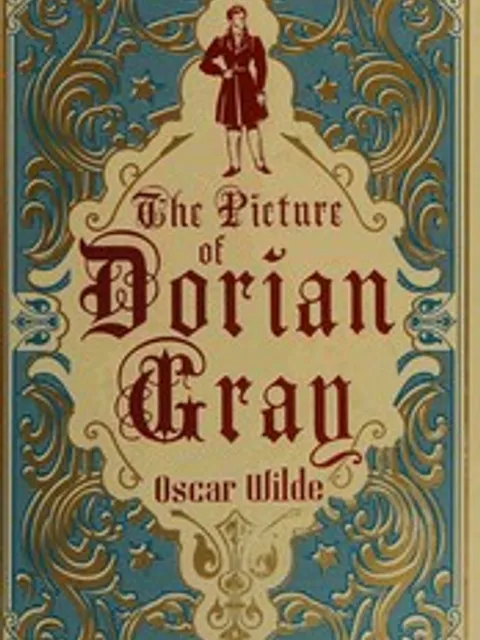
B2
Dorian Gray arcképe
Oscar Wilde · EN · 79655 szó
Oscar Wilde gótikus filozófiai regénye a gyönyörű Dorian Gray történetét követi nyomon, miután portréja láthatóvá válik a fiatalságnak, az élvezeteknek és a befolyásnak szentelt élet következményeivel. Elegáns párbeszédeken, társadalmi szatírán és természetfeletti feszültségen keresztül a könyv a hiúságot, a lelkiismeretet, a művészetet, a barátságot és az erkölcsi felelősséget vizsgálja, miközben a felső-középhaladó olvasóknak gazdag betekintést nyújt a késő viktoriánus irodalmi angolba.
1. fejezet / 264%
Jelentkezz be az előrehaladás szinkronizálásához és a szavak paklikba mentéséhez.
Chapter I · Part 1 of 2
210 szó · 2 perc
The artist is the creator of beautiful things. To reveal art and conceal the artist is art’s aim. The critic is he who can translate into another manner or a new material his impression of beautiful things.
The highest as the lowest form of criticism is a mode of autobiography. Those who find ugly meanings in beautiful things are corrupt without being charming. This is a fault.
Those who find beautiful meanings in beautiful things are the cultivated. For these there is hope. They are the elect to whom beautiful things mean only beauty.
There is no such thing as a moral or an immoral book. Books are well written, or badly written. That is all.
The nineteenth century dislike of realism is the rage of Caliban seeing his own face in a glass.
The nineteenth century dislike of romanticism is the rage of Caliban not seeing his own face in a glass.The moral life of man forms part of the subject-matter of the artist, but the morality of art consists in the perfect use of an imperfect medium.No artist desires to prove anything.Even things that are true can be proved.No artist has ethical sympathies.An ethical sympathy in an artist is an unpardonable mannerism of style.No artist is ever morbid.
Regisztrálj vagy jelentkezz be a teljes könyv elolvasásához és meghallgatásához.