
Doriana Greja portrets
Atpakaļ uz grāmatām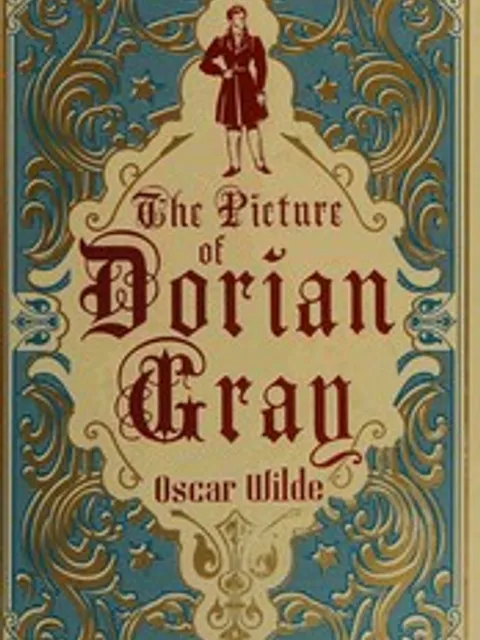
B2
Doriana Greja portrets
Oskars Vailds · EN · 79655 vārdi
Oskara Vailda gotiskais filozofiskais romāns stāsta par skaisto Dorianu Greju pēc tam, kad viņa portrets sāk nest redzamas sekas dzīvei, kas veltīta jaunībai, baudai un ietekmei. Ar elegantu dialogu, sociālas satīras un pārdabiska spriedzes palīdzību grāmata pēta iedomību, sirdsapziņu, mākslu, draudzību un morālo atbildību, vienlaikus sniedzot lasītājiem ar augstāko vidējo līmeni bagātīgu ieskatu vēlīnā Viktorijas laika literārajā angļu valodā.
Nodaļa 1 no 264%
Piesakieties, lai sinhronizētu progresu un saglabātu vārdus komplektos.
Chapter I · Part 1 of 2
210 vārdi · 2 min
The artist is the creator of beautiful things. To reveal art and conceal the artist is art’s aim. The critic is he who can translate into another manner or a new material his impression of beautiful things.
The highest as the lowest form of criticism is a mode of autobiography. Those who find ugly meanings in beautiful things are corrupt without being charming. This is a fault.
Those who find beautiful meanings in beautiful things are the cultivated. For these there is hope. They are the elect to whom beautiful things mean only beauty.
There is no such thing as a moral or an immoral book. Books are well written, or badly written. That is all.
The nineteenth century dislike of realism is the rage of Caliban seeing his own face in a glass.
The nineteenth century dislike of romanticism is the rage of Caliban not seeing his own face in a glass.The moral life of man forms part of the subject-matter of the artist, but the morality of art consists in the perfect use of an imperfect medium.No artist desires to prove anything.Even things that are true can be proved.No artist has ethical sympathies.An ethical sympathy in an artist is an unpardonable mannerism of style.No artist is ever morbid.
Reģistrējieties vai piesakieties, lai lasītu un klausītos visu grāmatu.