
The Picture of Dorian Gray
Back to books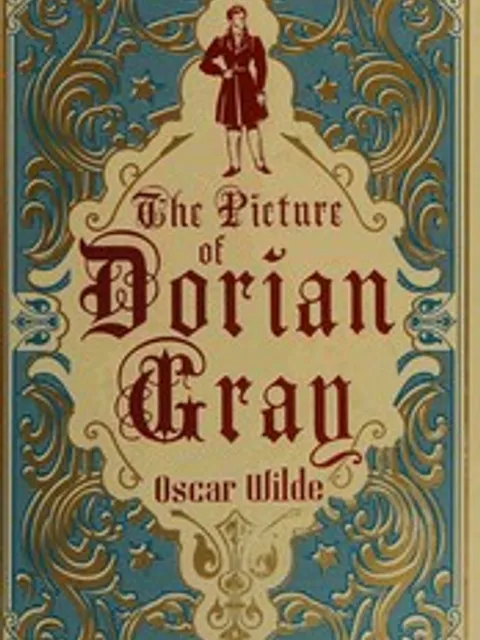
B2
The Picture of Dorian Gray
Oscar Wilde · EN · Words: 79655
Oscar Wilde’s Gothic philosophical novel follows the beautiful Dorian Gray after his portrait begins to bear the visible consequences of a life devoted to youth, pleasure, and influence. Through elegant dialogue, social satire, and supernatural suspense, the book examines vanity, conscience, art, friendship, and moral responsibility while giving upper-intermediate readers rich exposure to late-Victorian literary English.
Chapter 1 of 264%
Log in to sync progress and save words into decks.
Chapter I · Part 1 of 2
Words: 210 · 2 min
The artist is the creator of beautiful things. To reveal art and conceal the artist is art’s aim. The critic is he who can translate into another manner or a new material his impression of beautiful things.
The highest as the lowest form of criticism is a mode of autobiography. Those who find ugly meanings in beautiful things are corrupt without being charming. This is a fault.
Those who find beautiful meanings in beautiful things are the cultivated. For these there is hope. They are the elect to whom beautiful things mean only beauty.
There is no such thing as a moral or an immoral book. Books are well written, or badly written. That is all.
The nineteenth century dislike of realism is the rage of Caliban seeing his own face in a glass.
The nineteenth century dislike of romanticism is the rage of Caliban not seeing his own face in a glass.The moral life of man forms part of the subject-matter of the artist, but the morality of art consists in the perfect use of an imperfect medium.No artist desires to prove anything.Even things that are true can be proved.No artist has ethical sympathies.An ethical sympathy in an artist is an unpardonable mannerism of style.No artist is ever morbid.
Register or log in to read and listen to the full book.