
L'appel de la nature
Retour aux livres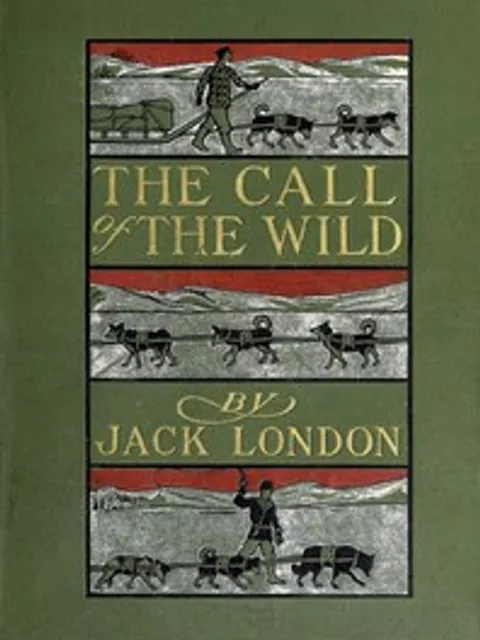
B1
L'appel de la nature
Jack London · EN · 32022 mots
Le roman d'aventures de Jack London raconte l'histoire de Buck, un puissant chien domestique volé en Californie et contraint à la vie brutale de chien de traîneau en Alaska pendant la ruée vers l'or du Klondike. Les épreuves, la rivalité, la loyauté et l'instinct de survie éveillent en lui des instincts qui l'éloignent peu à peu de la société humaine et le rapprochent de la nature sauvage. L'action directe, les descriptions vivantes de la nature et le récit captivant font de ce classique un excellent choix pour les jeunes lecteurs qui découvrent la littérature américaine.
Chapitre 1 sur 119%
Connectez-vous pour synchroniser votre progression et enregistrer des mots dans vos paquets.
Chapter I. Into the Primitive
485 mots · 3 min
“Old longings nomadic leap, — Chafing at custom’s chain; — Again from its brumal sleep — Wakens the ferine strain.”
Buck did not read the newspapers, or he would have known that trouble was brewing, not alone for himself, but for every tide-water dog, strong of muscle and with warm, long hair, from Puget Sound to San Diego. Because men, groping in the Arctic darkness, had found a yellow metal, and because steamship and transportation companies were booming the find, thousands of men were rushing into the Northland. These men wanted dogs, and the dogs they wanted were heavy dogs, with strong muscles by which to toil, and furry coats to protect them from the frost.
Buck lived at a big house in the sun-kissed Santa Clara Valley. Judge Miller’s place, it was called. It stood back from the road, half hidden among the trees, through which glimpses could be caught of the wide cool veranda that ran around its four sides. The house was approached by gravelled driveways which wound about through wide-spreading lawns and under the interlacing boughs of tall poplars. At the rear things were on even a more spacious scale than at the front. There were great stables, where a dozen grooms and boys held forth, rows of vine-clad servants’ cottages, an endless and orderly array of outhouses, long grape arbors, green pastures, orchards, and berry patches. Then there was the pumping plant for the artesian well, and the big cement tank where Judge Miller’s boys took their morning plunge and kept cool in the hot afternoon.
And over this great demesne Buck ruled. Here he was born, and here he had lived the four years of his life. It was true, there were other dogs. There could not but be other dogs on so vast a place, but they did not count. They came and went, resided in the populous kennels, or lived obscurely in the recesses of the house after the fashion of Toots, the Japanese pug, or Ysabel, the Mexican hairless,—strange creatures that rarely put nose out of doors or set foot to ground. On the other hand, there were the fox terriers, a score of them at least, who yelped fearful promises at Toots and Ysabel looking out of the windows at them and protected by a legion of housemaids armed with brooms and mops.
But Buck was neither house-dog nor kennel-dog.The whole realm was his.He plunged into the swimming tank or went hunting with the Judge’s sons; he escorted Mollie and Alice, the Judge’s daughters, on long twilight or early morning rambles; on wintry nights he lay at the Judge’s feet before the roaring library fire; he carried the Judge’s grandsons on his back, or rolled them in the grass, and guarded their footsteps through wild adventures down to the fountain in the stable yard, and even beyond, where the paddocks were, and the berry patches.
Inscrivez-vous ou connectez-vous pour lire et écouter le livre en entier.