
Bá tước Monte Cristo
Quay lại sách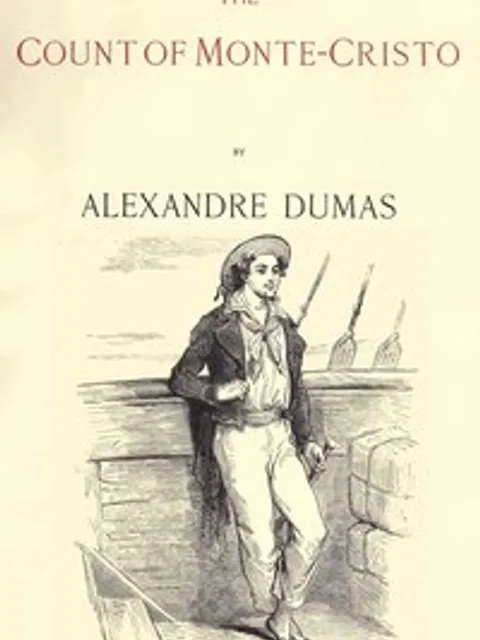
C1
Bá tước Monte Cristo
Alexandre Dumas · EN · 463129 từ
Cuốn tiểu thuyết phiêu lưu đồ sộ của Alexandre Dumas kể về Edmond Dantès, một thủy thủ trẻ bị giam oan ngay trước ngày cưới. Sau nhiều năm ở lâu đài Château d'If, tình bạn với cha xứ Faria đã giúp anh hiểu biết hơn và khám phá ra bí mật của một kho báu khổng lồ. Tái sinh thành Bá tước Monte Cristo, Dantès theo đuổi một kế hoạch trả thù đầy phức tạp đối với những kẻ đã phản bội mình, đồng thời đối mặt với cái giá phải trả của sự báo thù. Cốt truyện phức tạp, chi tiết lịch sử và văn phong trang trọng của thế kỷ XIX khiến tác phẩm kinh điển đồ sộ này phù hợp nhất với những độc giả tiếng Anh trình độ cao.
Chương 1 / 1521%
Đăng nhập để đồng bộ tiến độ đọc và lưu từ vào bộ thẻ.
Chapter 1. Marseilles—the Arrival
489 từ · 3 phút
On the 24th of February, 1815, the look-out at Notre-Dame de la Garde signalled the three-master, the Pharaon from Smyrna, Trieste, and Naples.
As usual, a pilot put off immediately, and rounding the Château d’If, got on board the vessel between Cape Morgiou and Rion island.
Immediately, and according to custom, the ramparts of Fort Saint-Jean were covered with spectators; it is always an event at Marseilles for a ship to come into port, especially when this ship, like the Pharaon, has been built, rigged, and laden at the old Phocée docks, and belongs to an owner of the city.
The ship drew on and had safely passed the strait, which some volcanic shock has made between the Calasareigne and Jaros islands; had doubled Pomègue, and approached the harbor under topsails, jib, and spanker, but so slowly and sedately that the idlers, with that instinct which is the forerunner of evil, asked one another what misfortune could have happened on board. However, those experienced in navigation saw plainly that if any accident had occurred, it was not to the vessel herself, for she bore down with all the evidence of being skilfully handled, the anchor a-cockbill, the jib-boom guys already eased off, and standing by the side of the pilot, who was steering the Pharaon towards the narrow entrance of the inner port, was a young man, who, with activity and vigilant eye, watched every motion of the ship, and repeated each direction of the pilot.
The vague disquietude which prevailed among the spectators had so much affected one of the crowd that he did not await the arrival of the vessel in harbor, but jumping into a small skiff, desired to be pulled alongside the Pharaon, which he reached as she rounded into La Réserve basin.
When the young man on board saw this person approach, he left his station by the pilot, and, hat in hand, leaned over the ship’s bulwarks.
He was a fine, tall, slim young fellow of eighteen or twenty, with black eyes, and hair as dark as a raven’s wing; and his whole appearance bespoke that calmness and resolution peculiar to men accustomed from their cradle to contend with danger.
“Ah, is it you, Dantès?” cried the man in the skiff. “What’s the matter? and why have you such an air of sadness aboard?”
“A great misfortune, M. Morrel,” replied the young man, “a great misfortune, for me especially! Off Civita Vecchia we lost our brave Captain Leclere.”
“And the cargo?” inquired the owner, eagerly.
“Is all safe, M. Morrel; and I think you will be satisfied on that head. But poor Captain Leclere——”
“What happened to him?” asked the owner, with an air of considerable resignation. “What happened to the worthy captain?”
“He died.”
“Fell into the sea?”
“No, sir, he died of brain-fever in dreadful agony.” Then turning to the crew, he said, “Bear a hand there, to take in sail!”
Đăng ký hoặc đăng nhập để đọc và nghe toàn bộ cuốn sách.