
L'uomo invisibile: una storia d'amore grottesca
Torna ai libri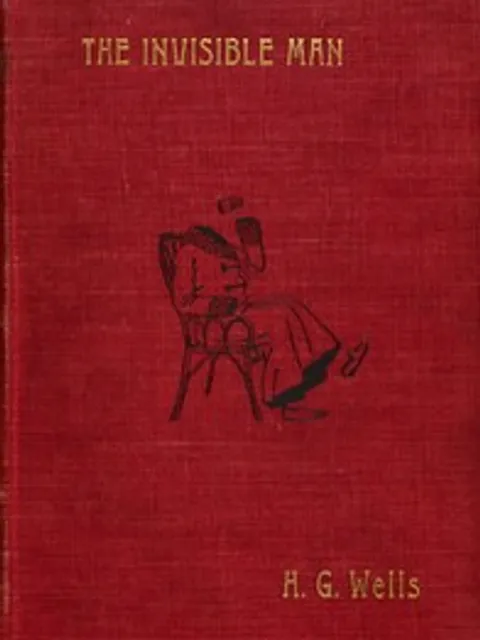
B2
L'uomo invisibile: una storia d'amore grottesca
H.G. Wells · EN · 48831 parole
Il romanzo di fantascienza di H.G. Wells segue le vicende di Griffin, un ricercatore di talento il cui esperimento rende il suo corpo invisibile, ma gli impedisce di invertire il processo. Giunto in un villaggio inglese avvolto nelle bende, passa presto dalla segretezza e dalla disperazione al furto, alla violenza e a un piano terroristico. Commedia nera, suspense e speculazioni scientifiche esplorano i temi dell'isolamento, del potere e del collasso morale, offrendo ai lettori di livello intermedio-avanzato una narrazione vittoriana dal ritmo incalzante.
Capitolo 1 di 293%
Accedi per sincronizzare i progressi e salvare parole nei tuoi mazzi.
Chapter I. The Strange Man’s Arrival
555 parole · 3 min
The stranger came early in February, one wintry day, through a biting wind and a driving snow, the last snowfall of the year, over the down, walking from Bramblehurst railway station, and carrying a little black portmanteau in his thickly gloved hand. He was wrapped up from head to foot, and the brim of his soft felt hat hid every inch of his face but the shiny tip of his nose; the snow had piled itself against his shoulders and chest, and added a white crest to the burden he carried. He staggered into the “Coach and Horses” more dead than alive, and flung his portmanteau down. “A fire,” he cried, “in the name of human charity! A room and a fire!” He stamped and shook the snow from off himself in the bar, and followed Mrs. Hall into her guest parlour to strike his bargain. And with that much introduction, that and a couple of sovereigns flung upon the table, he took up his quarters in the inn.
Mrs. Hall lit the fire and left him there while she went to prepare him a meal with her own hands. A guest to stop at Iping in the wintertime was an unheard-of piece of luck, let alone a guest who was no “haggler,” and she was resolved to show herself worthy of her good fortune. As soon as the bacon was well under way, and Millie, her lymphatic maid, had been brisked up a bit by a few deftly chosen expressions of contempt, she carried the cloth, plates, and glasses into the parlour and began to lay them with the utmost éclat. Although the fire was burning up briskly, she was surprised to see that her visitor still wore his hat and coat, standing with his back to her and staring out of the window at the falling snow in the yard. His gloved hands were clasped behind him, and he seemed to be lost in thought. She noticed that the melting snow that still sprinkled his shoulders dripped upon her carpet. “Can I take your hat and coat, sir?” she said, “and give them a good dry in the kitchen?”
“No,” he said without turning.
She was not sure she had heard him, and was about to repeat her question.
He turned his head and looked at her over his shoulder. “I prefer to keep them on,” he said with emphasis, and she noticed that he wore big blue spectacles with sidelights, and had a bush side-whisker over his coat-collar that completely hid his cheeks and face.
“Very well, sir,” she said. “As you like. In a bit the room will be warmer.”
He made no answer, and had turned his face away from her again, and Mrs. Hall, feeling that her conversational advances were ill-timed, laid the rest of the table things in a quick staccato and whisked out of the room. When she returned he was still standing there, like a man of stone, his back hunched, his collar turned up, his dripping hat-brim turned down, hiding his face and ears completely. She put down the eggs and bacon with considerable emphasis, and called rather than said to him, “Your lunch is served, sir.”
“Thank you,” he said at the same time, and did not stir until she was closing the door.
Registrati o accedi per leggere e ascoltare il libro completo.