Il ritratto di Dorian Gray
Torna ai libri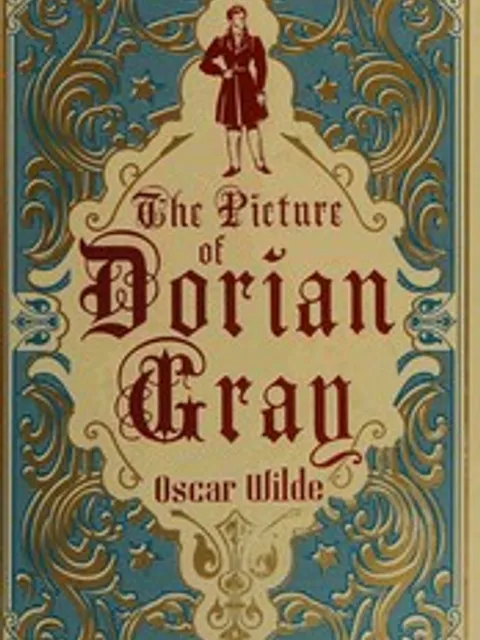
B2
Il ritratto di Dorian Gray
Oscar Wilde · EN · 79655 parole
Il romanzo gotico-filosofico di Oscar Wilde segue le vicende del bellissimo Dorian Gray dopo che il suo ritratto inizia a mostrare i segni visibili di una vita dedicata alla giovinezza, al piacere e al potere. Attraverso dialoghi eleganti, satira sociale e suspense soprannaturale, il libro esplora temi come la vanità, la coscienza, l'arte, l'amicizia e la responsabilità morale, offrendo al contempo ai lettori di livello intermedio-avanzato una ricca introduzione alla letteratura inglese tardo-vittoriana.
Capitolo 1 di 264%
Accedi per sincronizzare i progressi e salvare parole nei tuoi mazzi.
Chapter I · Part 1 of 2
210 parole · 2 min
The artist is the creator of beautiful things. To reveal art and conceal the artist is art’s aim. The critic is he who can translate into another manner or a new material his impression of beautiful things.
The highest as the lowest form of criticism is a mode of autobiography. Those who find ugly meanings in beautiful things are corrupt without being charming. This is a fault.
Those who find beautiful meanings in beautiful things are the cultivated. For these there is hope. They are the elect to whom beautiful things mean only beauty.
There is no such thing as a moral or an immoral book. Books are well written, or badly written. That is all.
The nineteenth century dislike of realism is the rage of Caliban seeing his own face in a glass.
The nineteenth century dislike of romanticism is the rage of Caliban not seeing his own face in a glass.The moral life of man forms part of the subject-matter of the artist, but the morality of art consists in the perfect use of an imperfect medium.No artist desires to prove anything.Even things that are true can be proved.No artist has ethical sympathies.An ethical sympathy in an artist is an unpardonable mannerism of style.No artist is ever morbid.
Registrati o accedi per leggere e ascoltare il libro completo.