
Het beeld van Dorian Gray
Terug naar boeken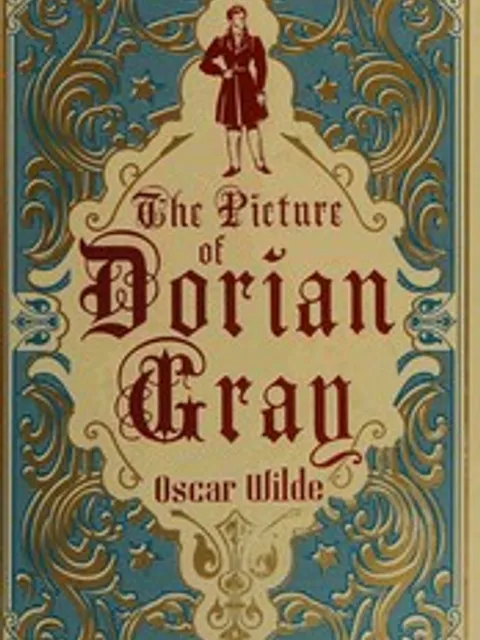
B2
Het beeld van Dorian Gray
Oscar Wilde · EN · 79655 woorden
Oscar Wildes gotische filosofische roman volgt de knappe Dorian Gray nadat zijn portret de zichtbare gevolgen begint te vertonen van een leven gewijd aan jeugd, plezier en invloed. Door middel van elegante dialogen, maatschappijkritiek en bovennatuurlijke spanning onderzoekt het boek ijdelheid, geweten, kunst, vriendschap en morele verantwoordelijkheid, terwijl het lezers met een gevorderd leesniveau een rijke kennismaking biedt met het laat-Victoriaanse literaire Engels.
Hoofdstuk 1 van 264%
Log in om je voortgang te synchroniseren en woorden in sets op te slaan.
Chapter I · Part 1 of 2
210 woorden · 2 min
The artist is the creator of beautiful things. To reveal art and conceal the artist is art’s aim. The critic is he who can translate into another manner or a new material his impression of beautiful things.
The highest as the lowest form of criticism is a mode of autobiography. Those who find ugly meanings in beautiful things are corrupt without being charming. This is a fault.
Those who find beautiful meanings in beautiful things are the cultivated. For these there is hope. They are the elect to whom beautiful things mean only beauty.
There is no such thing as a moral or an immoral book. Books are well written, or badly written. That is all.
The nineteenth century dislike of realism is the rage of Caliban seeing his own face in a glass.
The nineteenth century dislike of romanticism is the rage of Caliban not seeing his own face in a glass.The moral life of man forms part of the subject-matter of the artist, but the morality of art consists in the perfect use of an imperfect medium.No artist desires to prove anything.Even things that are true can be proved.No artist has ethical sympathies.An ethical sympathy in an artist is an unpardonable mannerism of style.No artist is ever morbid.
Registreer je of log in om het hele boek te lezen en te beluisteren.