
Picha ya Dorian Gray
Rudi kwenye vitabu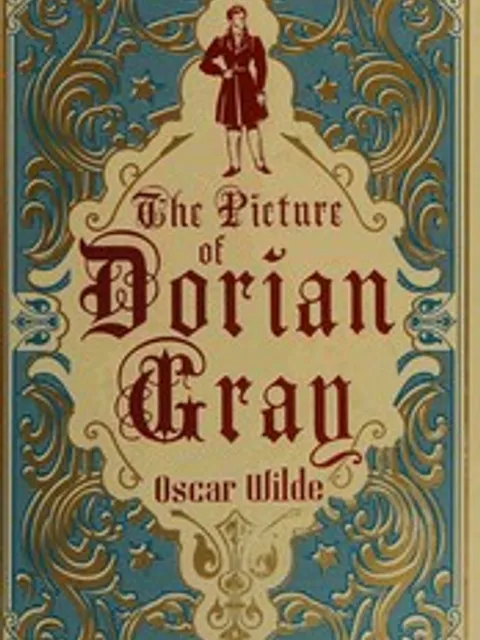
B2
Picha ya Dorian Gray
Oscar Wilde · EN · maneno 79655
Riwaya ya falsafa ya Oscar Wilde ya Gothic inamfuata mrembo Dorian Gray baada ya picha yake kuanza kubeba matokeo yanayoonekana ya maisha yaliyojitolea kwa ujana, raha, na ushawishi. Kupitia mazungumzo ya kifahari, kejeli za kijamii, na msisimko usio wa kawaida, kitabu hiki kinachunguza ubatili, dhamiri, sanaa, urafiki, na uwajibikaji wa kimaadili huku kikiwapa wasomaji wa kiwango cha juu fursa nzuri ya kujifunza Kiingereza cha fasihi cha Victoria cha wakati huo.
Sura ya 1 kati ya 264%
Ingia ili kusawazisha maendeleo na kuhifadhi maneno kwenye seti za kadi.
Chapter I · Part 1 of 2
maneno 210 · dk 2
The artist is the creator of beautiful things. To reveal art and conceal the artist is art’s aim. The critic is he who can translate into another manner or a new material his impression of beautiful things.
The highest as the lowest form of criticism is a mode of autobiography. Those who find ugly meanings in beautiful things are corrupt without being charming. This is a fault.
Those who find beautiful meanings in beautiful things are the cultivated. For these there is hope. They are the elect to whom beautiful things mean only beauty.
There is no such thing as a moral or an immoral book. Books are well written, or badly written. That is all.
The nineteenth century dislike of realism is the rage of Caliban seeing his own face in a glass.
The nineteenth century dislike of romanticism is the rage of Caliban not seeing his own face in a glass.The moral life of man forms part of the subject-matter of the artist, but the morality of art consists in the perfect use of an imperfect medium.No artist desires to prove anything.Even things that are true can be proved.No artist has ethical sympathies.An ethical sympathy in an artist is an unpardonable mannerism of style.No artist is ever morbid.
Jisajili au ingia kwenye akaunti yako ili kusoma na kusikiliza kitabu kizima.